4. Layer Your Lighting
Don’t depend entirely on one ceiling light.
High-end interiors usually combine several sources of illumination. Use ceiling lights for general illumination, floor and table lamps for task lighting, and smaller accent lights to create atmosphere.
Layering light can make even an inexpensive room feel warmer and more sophisticated.
5. Add an Oversized Mirror
Few decorative pieces provide as much visual impact as a large mirror.
Mirrors reflect light, introduce depth and can make smaller rooms feel more spacious.
An oversized floor mirror can become a statement piece in a bedroom or living room, while a large arched mirror above a console can completely transform an entryway.
6. Make Your Curtains Look More Luxurious
Curtains can dramatically change the perceived height and quality of a room.
When appropriate, position curtain rods higher than the window and allow the curtains to extend toward the floor.
Choose curtains with enough fullness to look substantial rather than stretched flat.
Even affordable curtains can appear considerably more expensive when properly sized and installed.
7. Use Larger Décor Instead of Lots of Small Pieces
One common decorating mistake is filling every available surface with small accessories.
Instead, choose fewer pieces with greater visual impact.
Consider:
- One large ceramic vase
- An oversized mirror
- Large artwork
- A substantial table lamp
- A sculptural decorative object
Giving your décor room to breathe makes the entire space feel more intentional.
8. Introduce Natural-Looking Materials
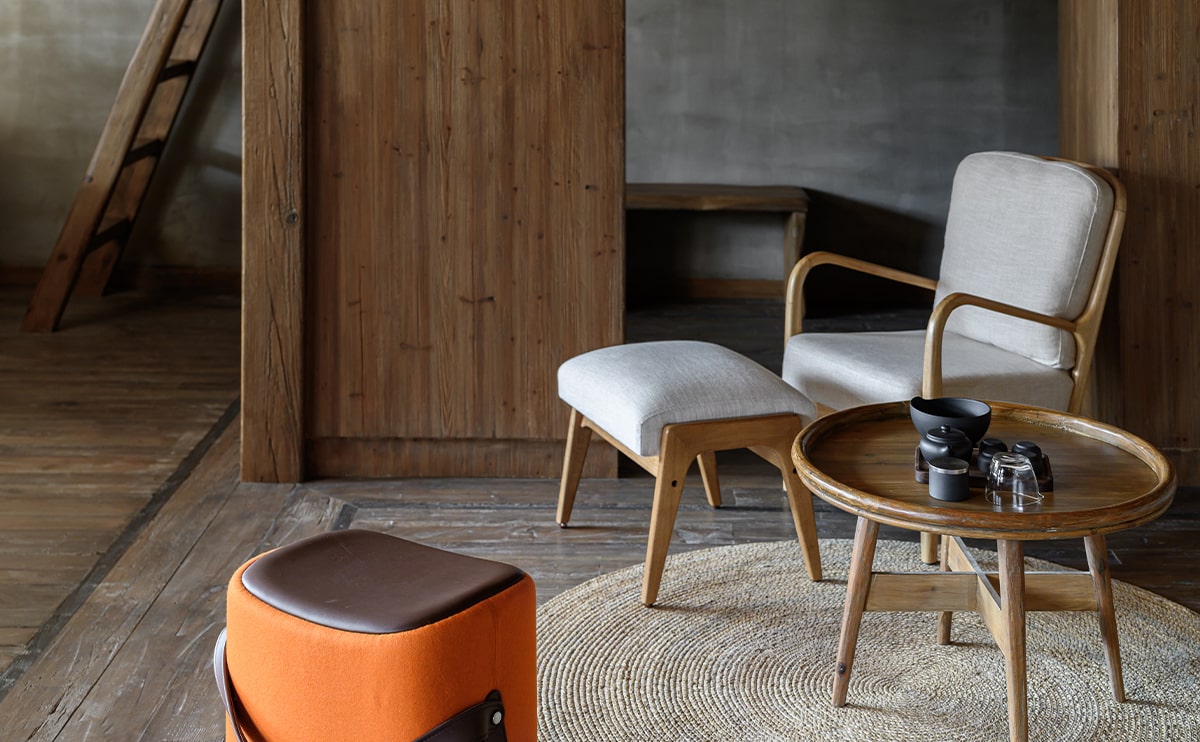
Wood, stone, linen, ceramic, woven textures and greenery can make a room feel warmer and more refined.
You don’t necessarily need genuine marble or rare hardwood.
The secret is creating contrast.
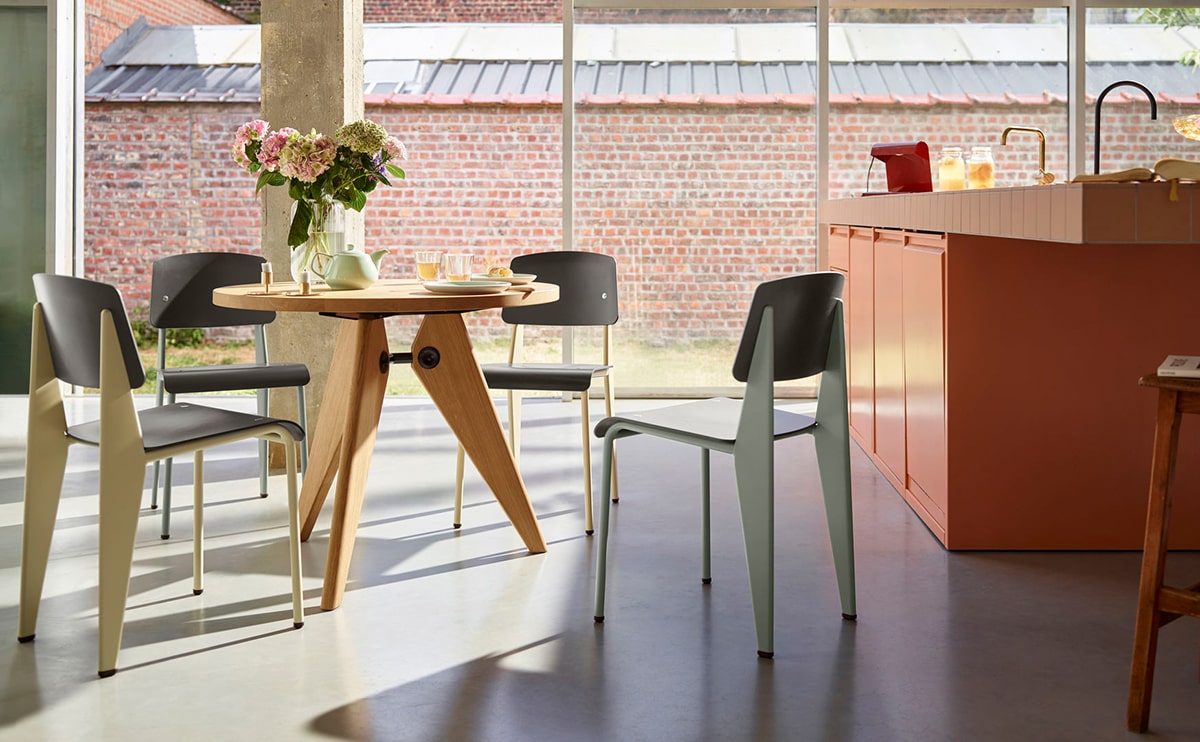
Try a warm wood coffee table beside a soft upholstered sofa, a ceramic vase on a sleek console, or a woven rug underneath a contemporary dining table.
9. Use a Larger Rug
A rug that is too small can make even beautiful furniture look disconnected.
Choose a rug large enough to visually connect the furniture around it.
In a living room, the rug should relate to the entire seating arrangement rather than appearing like a small island underneath the coffee table.
Correct scale is one of the biggest differences between a casually decorated room and one that looks professionally designed.
10. Make Your Coffee Table a Focal Point
The coffee table usually occupies the visual center of a living room.
Use it intentionally.
Choose a distinctive coffee table and keep its styling relatively simple.
Try a combination of a decorative book, tray, vase or sculptural object.
The objective isn’t to fill the surface. It’s to create a thoughtful composition.
11. Create Symmetry
Symmetry immediately introduces order.
Consider matching nightstands beside a bed, two lamps on a console, coordinated chairs or balanced artwork.
Not every part of the room needs to be perfectly symmetrical, but using symmetry selectively can make your interior feel calmer and more deliberate.
12. Give Your Bedroom a Hotel-Inspired Look
If you’re working with a limited decorating budget, your bedroom is an excellent place to focus.
Start with a substantial bed or headboard, coordinated nightstands, warm bedside lighting, layered bedding, a properly sized rug and minimal décor.
Think about the visual simplicity of a beautiful boutique hotel.
Luxury often comes from coordination rather than excessive decoration.
13. Add Greenery
Plants soften rooms filled with furniture and hard architectural lines.
A large indoor tree can transform an empty corner while introducing height, texture and color.
If maintaining live plants isn’t practical, a quality artificial tree can achieve a similar decorative effect.
One substantial plant usually creates greater visual impact than placing many tiny plants throughout the room.
14. Hide Visual Clutter
A beautiful room can quickly lose its polished appearance when everyday clutter dominates it.
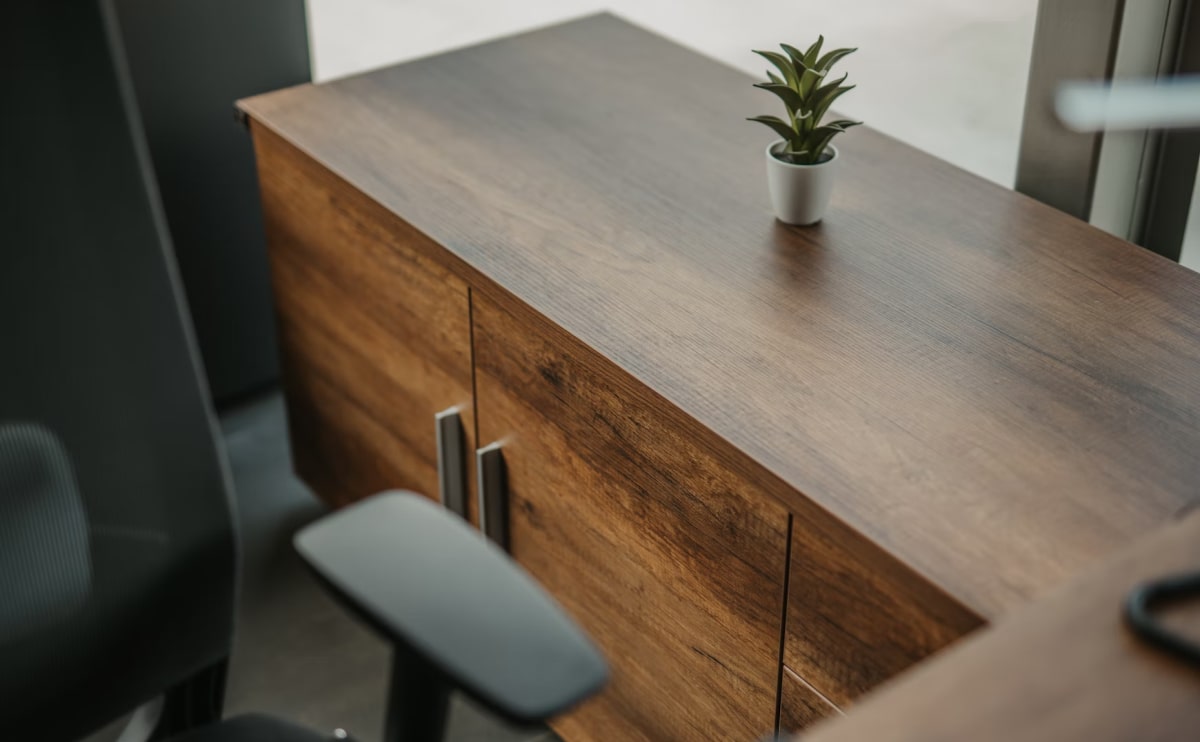
Choose furniture that combines style with storage, such as:
- Sideboards
- Media consoles
- Dressers
- Storage beds
- Cabinets
- Nightstands with drawers
Also pay attention to visible cables, chargers, paperwork and miscellaneous objects.
An expensive-looking home isn’t necessarily a home with more décor.
Often, it’s a home with less visual noise.
15. Don’t Try to Furnish Your Home Overnight
A beautiful home is usually collected over time.
You don’t need to purchase every chair, lamp, mirror, vase and table at once.
Start with the pieces that have the greatest functional and visual impact, then build around them.
A carefully designed room containing six beautiful elements can look considerably more sophisticated than one containing twenty unrelated purchases.
The Secret to an Expensive-Looking Home
Luxury isn’t simply a price tag. It’s proportion. It’s balance. It’s lighting. It’s texture.
Before buying another decorative object, look around your room and ask:
What is this room actually missing?
Sometimes the answer is a better lamp.
Sometimes it’s a larger rug.
Sometimes it’s one beautiful accent chair.
And sometimes the best improvement is simply removing something that doesn’t belong.
Where Should You Spend Your Decorating Budget?
If you’re trying to create the greatest visual impact without overspending, prioritize these six areas:
Sofa or Sectional
Usually the anchor of your living room. Prioritize comfort, proportion and a versatile style.
Bed
The largest visual element in most bedrooms. A beautiful bed can establish the entire room’s design.
Lighting
One of the fastest ways to transform otherwise ordinary furniture and surroundings.
Coffee or Dining Table
A strong table gives the room a natural focal point.
Large Mirror
Adds scale, reflects light and can make smaller rooms appear more spacious.
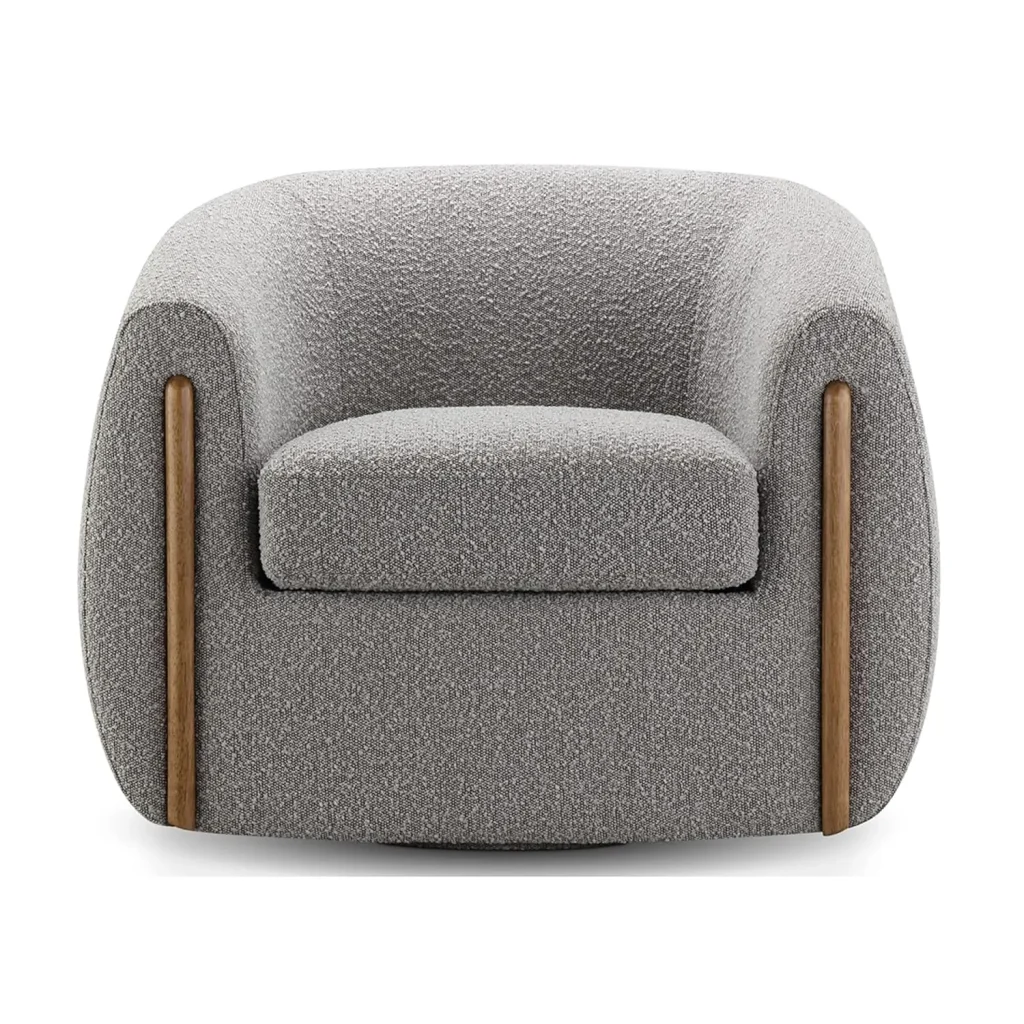
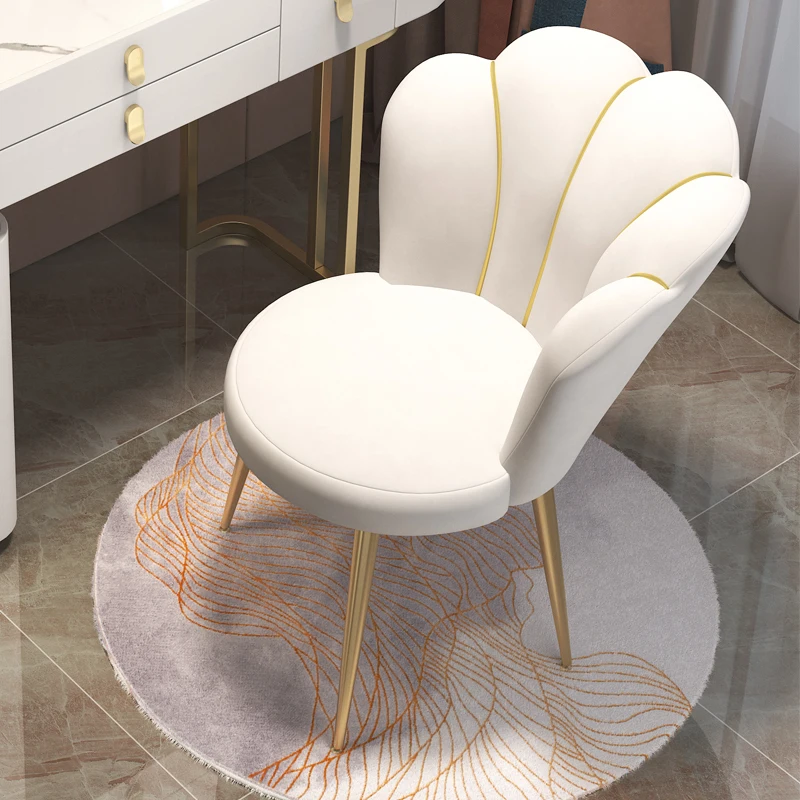
Accent Chair
An excellent opportunity to introduce personality, texture, shape or color.