

Blog
This bedroom furniture buying guide will help you choose the right bed, nightstands, dresser, storage and accent pieces to create a bedroom that’s comfortable, functional and beautifully put together.
Your bedroom should be more than somewhere you sleep.
It’s the place where your day begins and ends. The furniture you choose affects how comfortably you sleep, how easily you stay organized and how the entire room feels.
But furnishing a bedroom can become overwhelming surprisingly quickly.
What size bed should you buy? Do your nightstands need to match? How large should your dresser be? How much furniture is too much?
The answer begins with something simpler:
Choose furniture for the way you actually live.
Here’s what to consider before buying bedroom furniture.
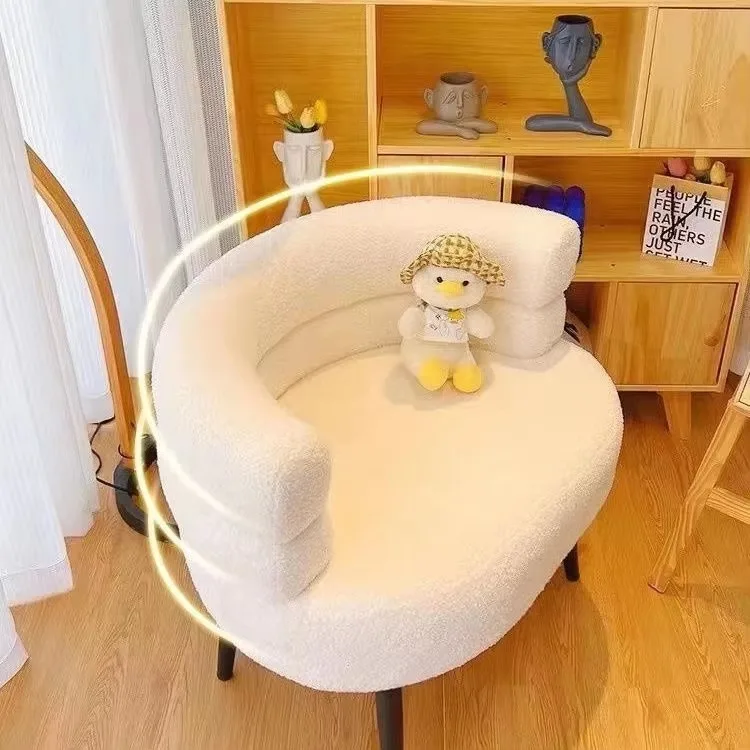
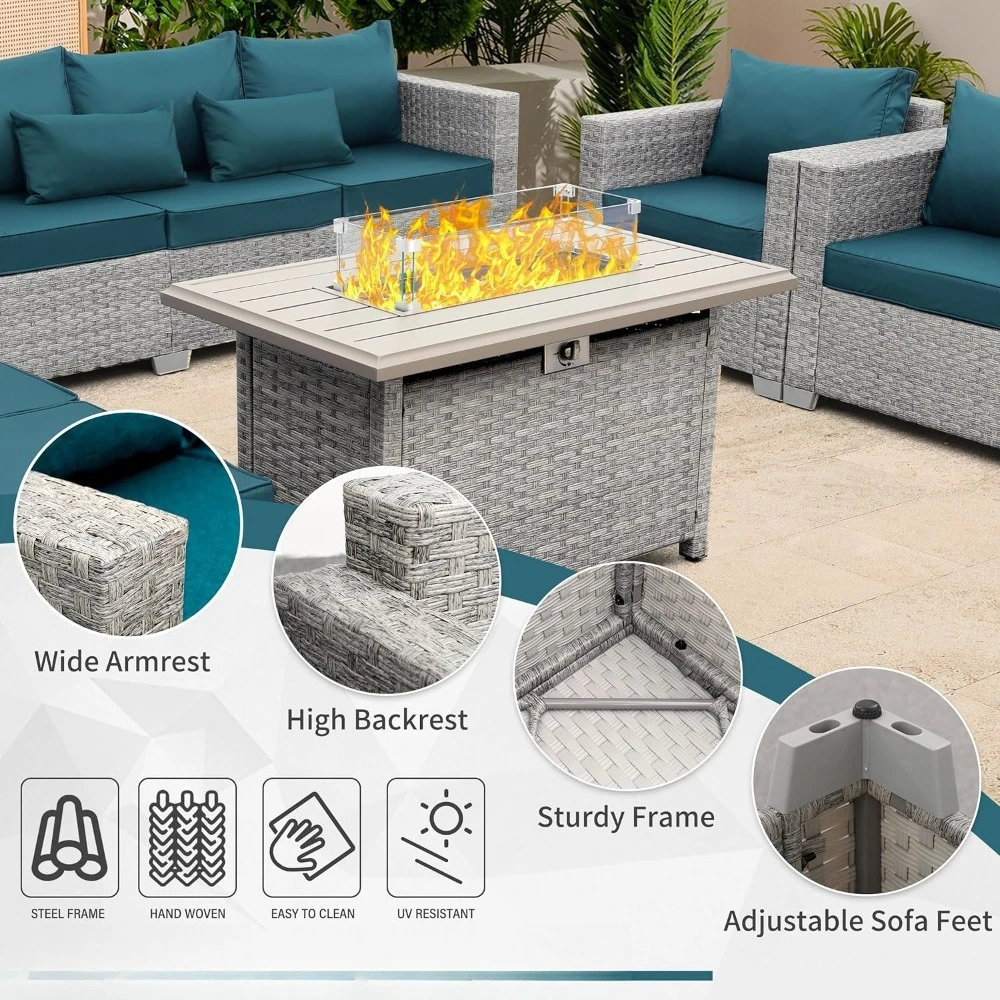
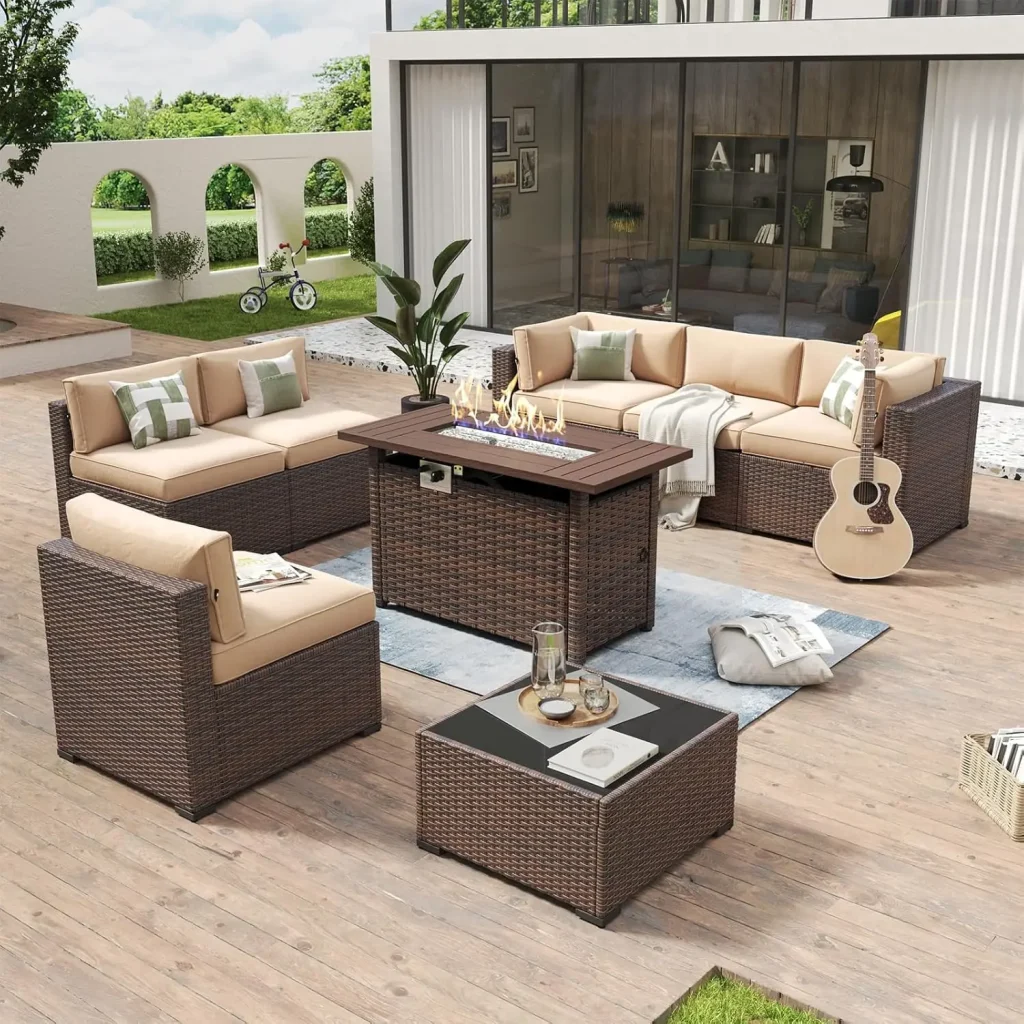
1. Start With the Bed
The bed is usually the largest piece of furniture in the bedroom, which makes it the natural place to begin.
Instead of choosing smaller furniture first and trying to make the bed fit later, select your bed and build the rest of the room around it.
Consider:
- Room dimensions
- Mattress size
- Bed frame dimensions
- Headboard height
- Ceiling height
- Walking space
- Door and closet clearance
A beautiful bed should anchor the room without overwhelming it.
What Bed Size Should You Choose?
Common U.S. mattress sizes include:
Twin: approximately 38 × 75 inches
Twin XL: approximately 38 × 80 inches
Full: approximately 54 × 75 inches
Queen: approximately 60 × 80 inches
King: approximately 76 × 80 inches
California King: approximately 72 × 84 inches
Remember that the outside dimensions of a bed frame can be larger than the mattress itself.
Always check the actual product dimensions before ordering.
2. Choose a Bed Style That Sets the Tone
Because the bed is visually dominant, its design can establish the style of the entire bedroom.
Upholstered Beds
Upholstered beds create a softer, warmer appearance and can work particularly well in contemporary, transitional and hotel-inspired bedrooms.
Wood Beds
Wood introduces natural texture and warmth. Depending on the finish and design, it can work in modern, traditional, rustic or minimalist spaces.
Platform Beds
Platform beds typically have a streamlined appearance and can be ideal for contemporary bedrooms.
Storage Beds
For smaller homes or bedrooms with limited storage, a bed with integrated drawers or storage compartments can help maximize available space.
Your bedroom doesn’t need to follow a trend.
Choose a bed you’ll still enjoy after the trend changes.
How to Choose Bedroom Furniture That Works Together
A beautifully designed bedroom doesn’t require every furniture piece to come from the same collection.
In fact, combining complementary pieces can create a more interesting and personal interior.
The key is creating visual relationships.
Look for repeated elements such as:
Color. Material. Shape. Finish. Proportion.
Your nightstands might not perfectly match your bed, for example, but a similar wood tone or hardware finish can connect them visually.
3. Choose the Right Nightstands
Nightstands are small pieces with an important job.
They hold the things you need close to your bed while helping visually frame the room’s main focal point.
Before buying, consider:
- Nightstand height
- Width
- Drawer storage
- Available floor space
- Bed height
- Lamp size
- Charging needs
How Tall Should a Nightstand Be?
As a general design principle, the top of your nightstand should be reasonably close to the height of the top of your mattress.
This makes everyday items easier to reach and creates better visual balance.
Always compare actual measurements rather than relying on product photos.
4. Do Nightstands Have to Match?
No.
Matching nightstands can create symmetry and work beautifully in a primary bedroom.
But they don’t have to be identical.
Different nightstands can work when they share a common design element such as color, material, height or style.
The goal is coordination, not necessarily duplication.
[PRODUCT CARD — SHOP THE LOOK]
SHOP THE LOOK
Feature one of your strongest upholstered beds or nightstands here.
Product Image
Product Name
Price
View Product →
5. Choose a Dresser Based on Storage AND Space
A dresser isn’t simply decorative.
Before buying one, think about what you actually need to store.
Someone with a large closet may only need a compact dresser.
Someone with limited closet space may benefit from considerably more drawer storage.
Wide Dressers
Wide, lower dressers provide generous surface area and can work well underneath a mirror or artwork.
Tall Dressers
A tall chest of drawers uses vertical space and can be particularly useful when floor space is limited.
Before purchasing, measure the dresser’s:
- Width
- Height
- Depth
Then make sure drawers can fully open without interfering with the bed, doors or other furniture.
6. Don’t Overcrowd Your Bedroom
One of the easiest ways to make a bedroom feel smaller is to add too much furniture.
You don’t automatically need:
A bed.
Two nightstands.
A dresser.
A chest.
A bench.
An accent chair.
A desk.
And multiple storage cabinets.
Ask what you genuinely use.
A bedroom with fewer appropriately scaled pieces often feels more luxurious than one filled with furniture around every wall.
Space is part of the design.
7. Add a Bedroom Bench When Space Allows
A bench at the foot of the bed can add function and visual depth.
It can provide somewhere to sit, place a blanket or temporarily set clothing.
Storage benches can be particularly useful because they serve two purposes.
But proportion matters.
Don’t force a bench into a room that doesn’t have enough space around the bed.
The Bedroom Furniture Formula
BED — Establishes the room’s main focal point.
NIGHTSTANDS — Provide balance and everyday functionality.
DRESSER — Adds essential storage.
LIGHTING — Creates warmth and atmosphere.
RUG — Visually connects the furniture.
ACCENT PIECE — Introduces personality.
You don’t need everything at once.
Build the bedroom around these layers.
8. Choose Bedroom Storage Strategically
Storage has an enormous effect on how a bedroom feels.
Even beautiful furniture can disappear visually when the room is dominated by clutter.
Consider furniture that provides hidden storage, including:
- Storage beds
- Nightstands with drawers
- Dressers
- Chests of drawers
- Storage benches
- Wardrobes
- Cabinets
Choose storage according to what you actually own rather than simply filling empty wall space.
An organized bedroom naturally feels calmer.
9. Think About Furniture Scale
Scale is one of the most overlooked parts of buying bedroom furniture.
Large furniture isn’t automatically luxurious.
Small furniture isn’t automatically appropriate for a small bedroom.
Everything needs to relate to everything else.
A massive king bed paired with tiny nightstands can look unbalanced.
Likewise, oversized dressers and bulky furniture can make a modest bedroom difficult to navigate.
Before buying, use painter’s tape to mark the approximate furniture footprint on the floor.
This gives you a much better sense of scale than measurements alone.
[SECOND WIDE IMAGE]
Image: Complete modern bedroom with coordinated bed, nightstands, dresser, rug and lighting.
ALT Text: Bedroom furniture buying guide with bed nightstands and dresser
10. Coordinate Furniture Without Buying a Matching Set
There was a time when bedrooms commonly included perfectly matching beds, dressers, mirrors and nightstands.
You can still choose a matching collection if you love the look.
But it isn’t required.
For a more collected interior, try mixing complementary materials.
For example:
Upholstered bed + warm wood nightstands
or:
Wood bed + painted dresser + metal lighting
The secret is repeating enough elements to make the combination look intentional.
11. Don’t Forget Bedroom Lighting
Furniture establishes the structure of a bedroom.
Lighting creates the atmosphere.
Instead of depending solely on a ceiling fixture, layer your lighting.
Consider:
- Bedside lamps
- Wall sconces
- Pendant lights
- Floor lamps
- Statement ceiling fixtures
Warm, layered lighting can make even simple bedroom furniture feel considerably more inviting.
12. Use a Rug to Anchor the Bed
A properly sized rug can visually connect your bed and surrounding furniture.
One common mistake is choosing a rug that’s too small.
Instead of looking integrated with the room, it appears to float independently beneath the bed.
Choose the rug according to your bed size, room dimensions and furniture arrangement.
The goal is for the rug to visually anchor the sleeping area.
13. Add a Mirror for Light and Depth
Mirrors are particularly effective in bedrooms because they combine function with decoration.
A large mirror can reflect natural light and make a smaller room feel more open.
Consider:
- Floor mirrors
- Arched mirrors
- Mirrors above dressers
- Decorative wall mirrors
One substantial mirror often has more visual impact than several small wall decorations.
14. Hide Visual Clutter
A comfortable bedroom should feel restful.
Visible cables, chargers, clothes, packaging and miscellaneous objects can quickly undermine that feeling.
Choose furniture that helps you organize everyday items rather than simply displaying them.
Closed storage is particularly valuable.
Nightstand drawers, dressers, storage benches and under-bed storage can help maintain a cleaner visual environment.
15. Buy Quality Where It Matters Most
You don’t need the most expensive version of every piece.
Instead, prioritize the furniture that gets the most use.
For most bedrooms, that means:
The bed and mattress
Frequently used storage
Nightstands
Then gradually add decorative pieces.
Pay attention to construction, dimensions, materials, care requirements and product specifications rather than judging quality solely by price.
Bedroom Furniture Buying Checklist
Before ordering bedroom furniture, ask yourself:
- Have I measured the entire room?
- Have I checked the actual bed-frame dimensions?
- Can bedroom and closet doors open properly?
- Is there enough walking space?
- Are my nightstands proportional to my bed?
- Do I have enough storage?
- Will dresser drawers fully open?
- Does the furniture work together visually?
- Am I buying furniture I genuinely need?
- Have I checked materials and care instructions?
- Does the furniture fit my lifestyle?
- Will the room still feel spacious after everything arrives?
If you can answer these questions confidently, you’re much more likely to create a bedroom that works as beautifully as it looks.
What Bedroom Furniture Should You Buy First?
If you’re furnishing your bedroom gradually, use this order:
1. Bed
Start with the room’s largest and most important piece.
2. Nightstands
Add everyday bedside functionality and visual balance.
3. Dresser or Storage
Choose according to your actual storage needs.
4. Lighting
Introduce bedside and ambient lighting.
5. Rug
Use it to anchor and soften the room.
6. Accent Furniture & Décor
Finish with a bench, chair, mirror, artwork and accessories.
This prevents you from spending your budget on decoration before the room’s essential furniture is established.
Create a Bedroom You’ll Love Coming Home To
The best bedroom isn’t necessarily the one containing the most furniture.
It’s the one where everything has a reason to be there.
Choose a bed that anchors the room. Add nightstands that make everyday life easier. Select storage that reduces clutter. Pay attention to proportion, lighting and texture.
Most importantly, give the room space to breathe.
This bedroom furniture buying guide isn’t about following one particular decorating style. It’s about creating a bedroom that balances comfort, function and design.
At 6ixens, we curate furniture and home pieces to help you create spaces that feel comfortable, intentional and beautifully yours.
SHOP BEDROOM FURNITURE
Explore Beds →
Shop Nightstands →
Discover Dressers & Storage →
Shop Bedroom Décor →
Frequently Asked Questions About Bedroom Furniture
What furniture should every bedroom have?
Most bedrooms need a bed and appropriate storage. Nightstands, dressers, benches, chairs and other furniture depend on room size, storage requirements and personal needs.
Should all bedroom furniture match?
No. Bedroom furniture can coordinate through complementary colors, materials, finishes, proportions or design styles without being identical.
What bedroom furniture should I buy first?
Start with the bed because it is usually the largest furniture piece and establishes the room’s layout. Add nightstands and necessary storage afterward.
How do I choose furniture for a small bedroom?
Prioritize essential furniture, measure carefully and consider pieces that provide additional storage. Avoid filling every available wall with furniture.
How do I know if bedroom furniture is too big?
Measure the furniture footprint and ensure there is sufficient space for comfortable movement, doors, closets and drawers. Painter’s tape can help you visualize furniture dimensions before ordering.
Is it better to buy a bedroom furniture set or separate pieces?
Either approach can work. Matching sets create consistency and simplicity, while individually selected pieces can create a more collected and personalized interior.
RELATED READING
30 Best Home Furniture & Décor Trends for 2026
How to Make Your Home Look Expensive on a Budget: 15 Designer Tips
How to Choose the Perfect Patio Furniture for Your Outdoor Space