

Blog
Your home is more than a collection of furniture. It is where mornings begin, conversations happen, families gather, and everyday life unfolds.
That is why the best interior trends are not simply about what looks fashionable. They are about creating spaces that feel comfortable, intentional, personal, and beautiful.
In 2026, home design continues moving away from cold, overly perfect interiors toward warmer spaces filled with texture, natural materials, statement pieces, comfortable furniture, and personality.
Whether you’re furnishing a new home or simply refreshing one room, here are 30 furniture and décor trends worth considering.
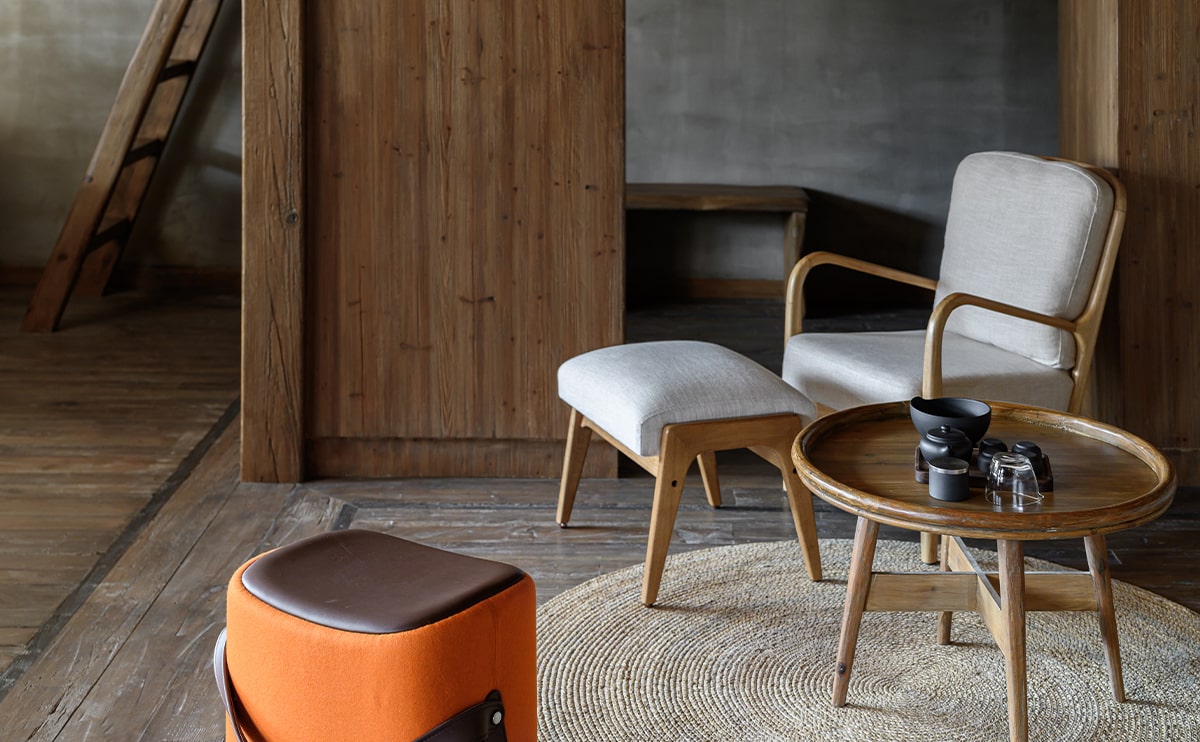
1. Warm Wood Furniture
Natural and warm wood tones are bringing character back into modern homes.
Coffee tables, dining tables, nightstands, consoles, and dressers with visible wood grain can make an interior feel warmer without sacrificing a contemporary look.
2. Curved Furniture
Soft silhouettes continue to influence furniture design.
Curved sofas, rounded accent chairs, oval coffee tables, and sculptural furniture introduce visual movement while softening rooms dominated by straight architectural lines.
3. Statement Coffee Tables
The coffee table is becoming more than a functional surface.
Sculptural bases, unusual shapes, mixed materials, stone-inspired finishes, and oversized designs can turn the center of a living room into a focal point.
4. Oversized Sectional Sofas
Comfort is taking priority.
Large sectionals create generous seating for families, entertaining, movie nights, and relaxed everyday living.
When choosing one, balance comfort with scale. A beautiful sectional should anchor your living room without overwhelming it.
5. Earth-Inspired Colors
Warm neutrals are becoming increasingly important.
Think:
- Sand
- Cream
- Taupe
- Terracotta
- Olive
- Chocolate brown
- Muted clay
These shades create calming interiors while pairing naturally with wood, stone, metal, and textured fabrics.
6. Statement Lighting
Lighting has become one of the easiest ways to transform an ordinary room.
Large pendant lights, sculptural chandeliers, contemporary floor lamps, and distinctive bedside lamps can function almost like artwork.
7. Layered Lighting
Beautiful interiors rarely depend on one light source.
Instead, combine ambient lighting, task lighting, and decorative lighting.
For example, a living room might combine a ceiling fixture, floor lamp, table lamp, and subtle accent lighting.
The result is a warmer and more flexible atmosphere.
8. Upholstered Beds
Bedrooms are becoming softer and more luxurious.
Upholstered beds and headboards bring texture and comfort into the room while creating a strong visual centerpiece.
Neutral upholstery can also make it easier to change bedding and décor over time.
9. Hotel-Inspired Bedrooms
More homeowners are looking to recreate the calm feeling of a boutique hotel at home.
The formula is surprisingly simple:
A beautiful bed, quality bedding, coordinated nightstands, warm lighting, layered textures, and carefully selected décor.
Luxury often comes from restraint rather than filling every available space.
10. Large Decorative Mirrors
Mirrors remain one of the most effective decorating tools.
A large mirror can make a smaller room feel brighter and more spacious while simultaneously functioning as wall décor.
Consider oversized floor mirrors, arched mirrors, and distinctive framed designs.
11. Indoor Trees and Greenery
Greenery introduces color and softness into interiors.
For spaces where maintaining live plants is difficult, high-quality artificial trees can provide the visual effect without regular watering or maintenance.
12. Outdoor Living Rooms
The patio is increasingly being treated as another room of the home.
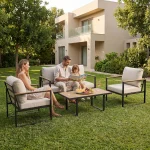
Instead of placing a few basic chairs outside, homeowners are creating complete outdoor living areas with sofas, coffee tables, rugs, lighting, and fire features.
13. Fire Pit Conversation Sets
Fire pit seating combines atmosphere with functionality.
A well-designed conversation set creates a natural gathering place for evenings outside, entertaining guests, or relaxing with family.
14. Egg Chairs
Hanging and freestanding egg chairs remain popular because they combine comfort with distinctive design.
They work particularly well on patios, balconies, covered porches, and garden spaces.
15. Pergola-Inspired Outdoor Spaces
Shade structures help transform exposed patios into more comfortable outdoor rooms.
Combine a pergola or covered space with outdoor seating, lighting, plants, and a dining area to create a true extension of the home.
16. Indoor-Outdoor Design
One of the strongest ideas in modern home design is creating a visual relationship between indoor and outdoor spaces.
Similar materials, colors, furniture styles, and lighting can help patios feel connected to adjacent living areas.
17. Sculptural Accent Chairs
Accent chairs are becoming statement pieces.
Interesting shapes, textured upholstery, and bold proportions allow a single chair to add character without redesigning an entire room.
18. Textured Fabrics
Texture makes neutral interiors interesting.
Bouclé-inspired fabrics, woven materials, linen textures, velvet, and layered upholstery can create depth even when the color palette remains simple.
19. Mixed Materials
Rooms no longer need every piece of furniture to come from the same matching collection.
Wood can sit beside metal.
Glass can work with stone.
Soft upholstery can contrast with structured furniture.
Thoughtful contrast often creates a more sophisticated interior.
20. Modern Dining Tables
Dining rooms are becoming gathering spaces again.
Large wood tables, contemporary pedestal designs, stone-inspired surfaces, and rounded tables can create a stronger centerpiece for everyday meals and entertaining.
21. Dining Benches
A dining bench can introduce flexibility and create a more relaxed atmosphere.
It can be especially useful when maximizing seating around rectangular dining tables.
22. Statement Sideboards
Sideboards combine storage and design.
Use them in dining rooms, entryways, living spaces, or hallways to store everyday items while providing a surface for lamps, artwork, mirrors, or decorative objects.
23. Stylish Home Offices
Working from home has changed how people think about office furniture.
A home office no longer needs to look purely functional.
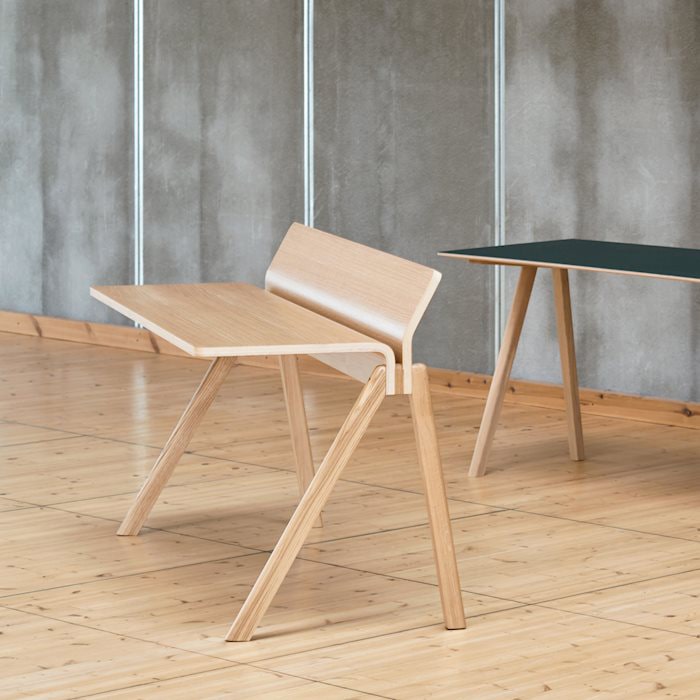
A well-designed desk, ergonomic chair, storage, lighting, and décor can create a workspace that feels integrated with the rest of the home.
24. Ergonomic Office Chairs
Appearance matters, but comfort matters more when you’re sitting for several hours.
Look for chairs that support good posture and provide appropriate adjustability while still complementing your workspace.
25. Minimalist Storage
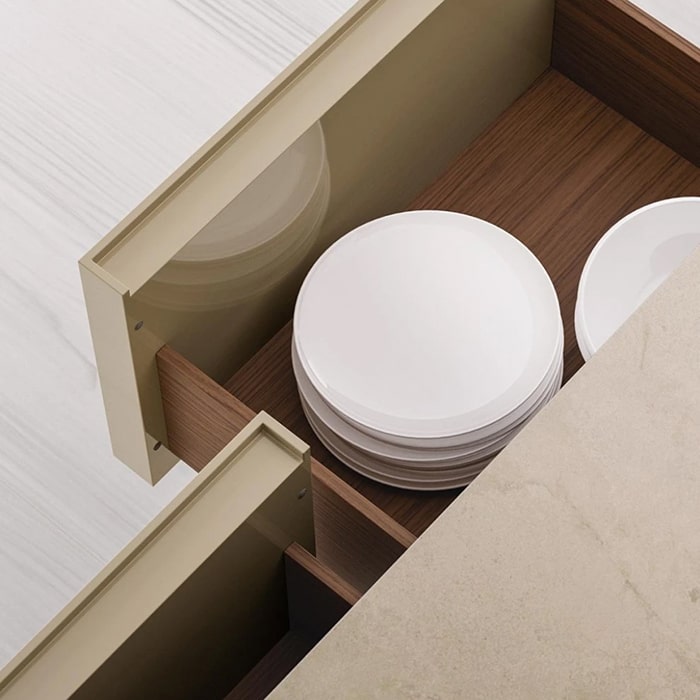
Storage is increasingly being incorporated into furniture rather than added as an afterthought.
Consider:
- Storage beds
- Sideboards
- TV consoles
- Nightstands
- Cabinets
- Storage benches
- Multifunctional coffee tables
Good storage makes beautiful spaces easier to maintain.
26. Oversized Wall Art
Instead of filling a wall with many small decorative objects, one large artwork can create stronger visual impact.
The key is choosing artwork that relates to the room’s overall color palette without disappearing into it.
27. Statement Vases and Decorative Objects
Small details still matter.
Large ceramic vases, bowls, sculptures, candle holders, and carefully selected decorative objects can help complete a room.
The goal isn’t to fill every surface.
Choose fewer pieces with greater visual impact.
28. Spa-Inspired Bathrooms
Bathrooms are becoming more calming and refined.
LED mirrors, streamlined vanities, warm lighting, natural-looking finishes, and organized storage can help create a cleaner, more luxurious atmosphere.
29. Smart Home Integration
Technology is becoming less visible.
Smart lighting, automated cleaning, charging solutions, and connected home devices work best when they complement the room rather than dominate it.
30. Personal, Collected Interiors
Perhaps the most important trend of 2026 is individuality.
A beautiful home doesn’t need to look like a showroom.
Mix new furniture with meaningful objects, books, artwork, travel pieces, family photographs, and décor that reflects your personality.
The most memorable homes feel lived in.
How to Use These Trends Without Redecorating Your Entire Home
You don’t need to follow all 30 trends.
Start with the room you use most.
For a living room, that could mean replacing the coffee table, adding a statement chair, introducing warmer lighting, or choosing a new sectional.
For a bedroom, an upholstered bed, two coordinated nightstands, layered lighting, and a large mirror can dramatically change the atmosphere.
For an outdoor area, start with comfortable seating and build around it with a fire pit, lighting, tables, and accessories.
A thoughtful upgrade often has more impact than buying many unrelated pieces.
Creating a Home That Feels Like You
Trends can provide inspiration, but your home should ultimately reflect how you live.
Choose furniture based on comfort, scale, functionality, durability, and personal taste—not simply because something is fashionable.
At 6ixens, we believe beautiful spaces are created when great design meets everyday living.
Explore furniture, outdoor living, lighting, bedroom essentials, dining pieces, office furniture, and home décor selected to help you create spaces you’ll love coming home to.
Frequently Asked Questions
What furniture styles are trending in 2026?
Warm woods, curved furniture, textured upholstery, oversized sectionals, statement lighting, sculptural accent pieces, and natural-inspired colors are among the strongest directions in contemporary interiors.
What colors are popular for home décor in 2026?
Warm neutrals and earth-inspired colors such as cream, taupe, brown, olive, clay, and terracotta work particularly well with current furniture trends.
How can I make my home look more luxurious?
Focus on scale, lighting, texture, and restraint. Large mirrors, statement lighting, coordinated furniture, substantial curtains, quality-looking textiles, and fewer carefully selected decorative objects can make a significant difference.
What furniture should I buy first for a new home?
Prioritize the furniture you use daily: a comfortable bed, sofa or sectional, dining table, essential storage, and functional lighting. Decorative pieces can be layered in afterward.
Is expensive furniture necessary for a beautiful home?
No. A cohesive room depends more on proportion, color, texture, lighting, and thoughtful furniture selection than simply buying the most expensive products available.